
Atrial fibrillation is a progressive disease, so treating it is very important. First-line treatment includes lifestyle changes and medications.
Atrial Fibrillation: First-Line Treatments
The first treatments for someone with atrial fibrillation may include making healthier lifestyle choices, and taking medications. But it depends on what stage of atrial fibrillation you have.
Other types of treatments may be needed for more advanced stages of atrial fibrillation. These more advanced stages include persistent atrial fibrillation and long-standing persistent atrial fibrillation. Learn more about the different stages of atrial fibrillation below.

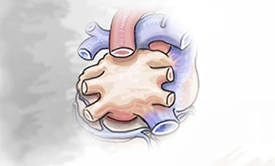
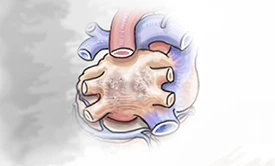
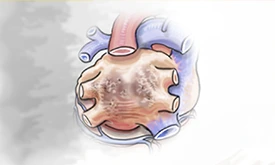
| Paroxysmal means occasional. This stage of atrial fibrillation starts and stops on its own. It can last from 1 to 7 days. This is the first stage of atrial fibrillation. | Persistent atrial fibrillation lasts beyond 7 days and as long as one year. If not treated the heart may advance to the long-standing persistent stage. | Long-standing persistent atrial fibrillation symptoms continue beyond one year without stopping. |
| EARLY STAGE | ADVANCED STAGES | |
| Symptoms for Early Stage Atrial Fibrillation: palpitations, fluttering feeling in the chest, or a rapid, irregular heartbeat. If not effectively treated, atrial fibrillation may progress to more advanced stages. | Symptoms for Advanced Stages of Atrial Fibrillation: Chest pain (angina), chest pressure, lightheadedness, or low blood pressure.1,2 Some people with atrial fibrillation may not be aware of their symptoms and are only diagnosed when they see their physician. | |


| Paroxysmal means occasional. This stage of atrial fibrillation starts and stops on its own. It can last from 1 to 7 days. This is the first stage of atrial fibrillation. |
| EARLY STAGE |
| Symptoms for Early Stage Atrial Fibrillation: palpitations, fluttering feeling in the chest, or ta rapid, irregular heartbeat. If not effectively treated, atrial fibrillation may progress to more advanced stages. |
| Persistent atrial fibrillation lasts beyond 7 days and as long as one year. If not treated the heart may advance to the long-standing persistent stage. | Long-standing persistent atrial fibrillation symptoms continue beyond one year without stopping. |
| ADVANCED STAGES | |
| Symptoms for Advanced Stages of Atrial Fibrillation: Chest pain (angina), chest pressure, lightheadedness, or low blood pressure. Some people with atrial fibrillation may not be aware of their symptoms and are only diagnosed through an assessment by their physician. | |
Eating right and exercising more may not be able to cure atrial fibrillation. But they can prevent or help limit conditions—such as obesity or diabetes—that may cause atrial fibrillation. They can also help you feel better overall.
Many health conditions and lifestyle habits are risk factors for atrial fibrillation. What Conditions Lead to Higher Risk of Atrial Fibrillation? Here are some things you can do to improve your heart health.
Work with Your Health Care Provider to Treat Heart-Related Conditions
Always take, just as prescribed, medication to help:
- Lower your high blood pressure
- Treat your overactive thyroid
Be sure to get treatment for sleep apnea, as well.
Lifestyle Choices
Exercise: Regular exercise can help you control your weight and your blood pressure. It also strengthens the heart muscle and helps prevent many types of heart disease. Talk with your health care provider about what types and the amount of physical activity are right for you before making any changes.
Eat a healthy diet: The American Heart Association recommends filling at least half your plate at each meal with fruits and vegetables. (Choose whichever type is easiest for you: fresh, canned, or frozen fruits and vegetables.)
Here are other important lifestyle choices that you can make:
- Lose weight if you are overweight or obese.
- Limit the amount of alcohol you drink.
- Limit the amount of caffeine you drink, since it increases your heart rate.
- Stop smoking.
- Don’t skip any prescribed heart medications.
- Don’t take stimulant pills, such as certain diet pills. These increase your heart rate.
- Don’t take street drugs, which can be very dangerous for your heart.
There are 3 main types of medications to manage atrial fibrillation:
- Blood-thinning medications—to reduce the risk of stroke
- Rate control medications
- Rhythm control medications
Recall that, during atrial fibrillation, blood pools in the atrium. This blood—not moving as it should—allows blood clots to form, which can cause a stroke. Blood-thinning medications can help prevent clot formation. Other names for these medications are anticoagulants or antiplatelets. Blood thinners can lower your chances of a stroke 50%-70%.3 But blood thinners do not treat your atrial fibrillation.
Blood thinner medications include:
- Apixaban (Eliquis)
- Aspirin
- Clopidogrel (Plavix)
- Dabigatran (Pradaxa)
- Edoxaban (Savaysa)
- Enoxaparin (Lovenox)
- Heparin
- Rivaroxaban (Xarelto)
- Warfarin (Coumadin, Jantoven)
What Are the Possible Side Effects of Blood Thinners?
- Bruising easily
- Risk of bleeding—for instance bleeding gums, nosebleeds
- Coughing up blood
- Blood in urine or stool
- Bleeding in the brain
- Rash
- Indigestion
As the name implies, rate control medications help slow your heart rate. However, they cannot restore a normal heart rhythm.
There are 3 main groups of medications in this category:
- Beta blockers
- Calcium channel blockers
- Digoxin
Which Medications Are Beta Blockers?
Beta blockers don’t slow the atrial fibrillation, but they slow the rate of the ventricles. This allows the ventricles more time to fill with blood before pumping it out to the body. In turn, this can help people feel better. They slow the heart rate by altering the heart’s electrical signals. Examples are:
- Atenolol (Tenormin)
- Bisoprolol (Zebeta, Ziac)
- Carvedilol (Coreg)
- Metoprolol (Lopressor, Toprol)
- Propranolol (Inderal, InnoPran, Pronol)
- Timolol (Blocadren)
What Are the Possible Side Effects of Beta Blockers?
- Fatigue
- Cold hands and/or feet
- Dizziness, lightheadedness, or weakness
- Dry mouth, eyes, and skin
Which Medications Are Calcium Channel Blockers?
Calcium channel blockers relax the blood vessels in the heart, which slows your heart rate. Examples are:
- Diltiazem (Cardizem, Cartia, Dilacor, Diltzac, Diltia, Tiazac)
- Verapamil (Calan, Covera-HS, Isoptin, Verelan)
What Are the Possible Side Effects of Calcium Channel Blockers?
- Feeling tired
- Red skin, flushing
- Dizziness or lightheadedness
- Weakness
- Swelling of the abdomen, ankles, or feet
- Constipation
- Heartburn
People taking calcium channel blockers should avoid grapefruit and grapefruit juice. These can interfere with the way the medication works.
What Is Digoxin?
Digoxin (Digox, Cardoxin, Digitek, Lanoxin) slows the rate of the electrical signals that travel from the atria down to the ventricles. Digoxin may be used in the hospital, when a person is having symptoms of atrial fibrillation. It is used less often as a long-term medication for heart rhythms.
What Are the Possible Side Effects of Digoxin?
- Nausea and vomiting
- Diarrhea
- Stomach pain
- Appetite loss
- Confusion
- Dizziness or lightheadedness
- Drowsiness
- Vision changes (blurred or yellow vision)
- Rash
- Slow or fast heartbeat
Rhythm control medications are also called antiarrhythmic drugs. There are 2 subtypes: sodium channel blockers and potassium channel blockers.
Health care providers often prescribe rate control medications first. If the patient is still having atrial fibrillation symptoms, then rhythm control medications might be prescribed, too.
Which Medications Are Sodium Channel Blockers?
Sodium channel blockers affect the heart's ability to conduct electrical impulses. Examples include:
- Flecainide (Tambocor)
- Disopyramide (Norpace)
- Procainamide (Procanbid, Procan, Procapan, Pronestyl)
- Propafenone (Rythmol)
- Quinidine
What Are the Possible Side Effects of Sodium Channel Blockers?
- Chest pain
- Shortness of breath
- Irregular heartbeat
- Swelling in feet or legs
- Dizziness, lightheadedness, or fainting
- Headache
- Weakness
- Changes in vision
- Dry mouth
- Loss of appetite or upset stomach
- Yellowing of the skin or eyes
- Abnormal heartbeat
Which Medications Are Potassium Channel Blockers?
These medications slow the electrical signals that can cause atrial fibrillation. Examples include:
- Amiodarone (Cordarone, Nexterone, Pacerone)
- Dofetilide (Tikosyn)
- Ibutilide (Covert)
- Sotalol (Betapace, Sorine, Sotylize)
What Are the Possible Side Effects of Potassium Channel Blockers?
- Blurred vision
- Cough or trouble breathing
- Dizziness, lightheadedness, or fainting
- Trembling or shaking
- Poor coordination or trouble walking
- Weakness in the arms or legs
- Dry mouth
- Nausea or vomiting
- Yellowing of the skin or eyes
- Slow heartbeat
- Fast or irregular heartbeat, sometimes dangerously so
- Liver damage
- Death
Hybrid AF Therapy
Page References
- Calkins, H., Hindricks, G., Cappato, R., Kim, Y. H., Saad, E. B., Aguinaga, L., Akar, J. G., Badhwar, V., Brugada, J., Camm, J., Chen, P. S., Chen, S. A., Chung, M. K., Nielsen, J. C., Curtis, A. B., Davies, D. W., Day, J. D., d'Avila, A., de Groot, N., Di Biase, L., … Yamane, T. (2017). 2017 HRS/EHRA/ECAS/APHRS/SOLAECE expert consensus statement on catheter and surgical ablation of atrial fibrillation. Heart rhythm, 14(10), e275–e444. https://doi.org/10.1016/j.hrthm.2017.05.012
- Barbarossa, A., Guerra, F., & Capucci, A. (2014). Silent atrial fibrillation: a Ccritical review. Journal of atrial fibrillation, 7(3), 1138. https://doi.org/10.4022/jafib.1138
- Kodani E., Atarashi H., Inoue H., Okumura, K., Yamashita, T., Origasa, H. (2016). Secondary prevention of stroke with warfarin in patients with nonvalvular atrial fibrillation: subanalysis of the J-RHYTHM Registry. Journal of stroke and cerebrovascular diseases, 25(3), 585-599. https://www.sciencedirect.com/science/article/pii/S105230571500631X
PM-US-1256D-0527-G