
Risk Factors
Atrial Fibrillation (Afib) is considered a part of aging. In fact, 1 in 4 over the age of 40 will develop Afib in their lifetime. Risk factors include:
- Family history
- Heart problems or heart surgery
- High blood pressure
- Obesity
- Sleep apnea
- Caffeine, nicotine or illegal drug use
- Drinking too much alcohol
- Changes in the level of body minerals
- Other long-term health conditions
Early signs of Afib can be mild, with symptoms including:
Palpitations
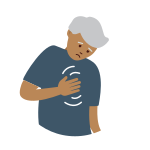
Fluttering feeling in the chest
Rapid or irregular heartbeat


Symptoms
Symptoms of persistent and long-standing persistent Afib, can be different and more severe.
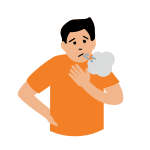
Shortness of Breath
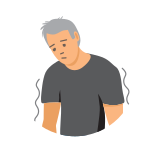
Weakness
Fatigue
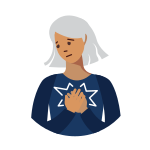
Pain in the Chest
Pressure in the Chest
Lowered Blood Pressure
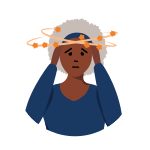
Dizziness or Fainting
Feeling Lightheaded
If untreated, Afib progresses—from less severe to more advanced.
That’s why it’s important to mention any of these symptoms to your healthcare provider. During your next office visit, talk to your provider about your symptoms.
Triggers: Where Does Afib Start?
Research shows that there are three areas of the heart where Afib normally starts. The pulmonary veins are often the first trigger. As Afib worsens, it typically impacts other key areas of the heart. Those areas are the Posterior Wall (back wall) and the Left Atrial Appendage (LAA).
Find out why treating Afib is critical:



Hybrid AF Therapy
PM-US-1538D-0527-G